Farmhouse design is a popular trend that blends traditional elements with modern trends. Stylish elements like shiplap walls, wooden beams (natural or painted), galvanized metal accents and open-concept floor plans make rooms feel warm and comfortable. Neutral colors are a staple of modern farmhouse decor. Earthy blues, greens, and terra-cotta tones are often used to add depth and character to the neutral base.
Refinishing Cabinets
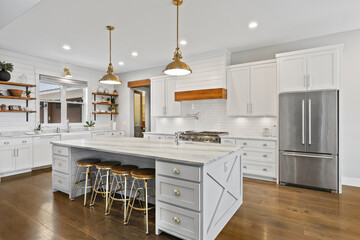
San Jose Cabinet Refinishing is less expensive than replacing your cabinets and offers a much more environmentally friendly choice as well. Replacing cabinets involves the cost of removing and installing new ones, along with any modifications necessary to accommodate them. On the other hand, refinishing involves simply applying a new coat of durable finish to existing cabinets. This restores their original beauty and helps to protect them from future damage and wear.
Modern farmhouse decor is a warm and inviting style that blends classic, rustic, and traditional elements for a comfortable, lived-in aesthetic. The color palette tends toward neutral, from white to gray and beige, but you can easily add pops of brighter colors through kitchen decor, like pretty copper pots, or with a painted accent wall. Upgrading your cabinets is a great way to embrace the farmhouse aesthetic and add a fresh new look to your home.
Another advantage of refinishing your cabinets is that it can help to fix any structural issues that may have developed over time. Cabinets are exposed to a lot of kitchen chemicals and daily wear and tear, so they need to be sturdy and durable. During the refinishing process, cabinet experts can fill in minor cracks and holes, sand them smooth, and replace damaged boards or panels to make sure your cabinets are as strong and reliable as ever.
A final benefit of refinishing your cabinets is that the process typically takes a fraction of the time of replacing them. Remodeling can involve weeks of planning, ordering, and waiting for your new cabinets to arrive, while refinishing is quick and convenient. This minimizes the disruption to your everyday life and allows you to enjoy your refreshed space sooner.
Choosing the right color for your kitchen cabinet paint is essential to achieving the look of your dreams. The right color will complement your floors, countertops, and any other features you’ve chosen for your space, whether it’s a brick accent wall or reclaimed wood shelves. A creamy white can contrast your hardwood floors and capture the classic farmhouse look, while a soft grey can offer visual depth and warmth.
Refinishing Cabinet Doors
When it comes to refreshing a room, cabinet refinishing is a cost-effective option that can provide significant visual impact. The process involves removing the existing doors and drawer fronts from their cabinet boxes, sanding the surfaces down, and then painting or staining them. It works on wood cabinets as well as those made from engineered wood or medium-density fiberboard (MDF). It’s important to note that refinishing won’t work with laminate or thermofoil surfaces, which can’t be sanded or stripped and will not accept paint.
If you’re planning to refinish your cabinets, it’s essential to start with a thorough cleaning. Scrape off any food residue and wash the surfaces with water and soap. If there are stubborn stains, try using synthetic steel wool and trisodium phosphate (TSP) mixed with water. TSP emulsifies grease, making it easier to remove than with soap alone. Once the cabinets are clean, let them dry completely before you begin sanding and preparing them for painting.
Before you begin sanding, it’s essential to determine whether the finish on your cabinets is oil-based or latex. This will affect the preparation methods, as oil-based paint requires a solvent to remove, while latex can be stripped with denatured alcohol. To make this determination, rub a bit of denatured alcohol on the surface to see if it dissolves or softens. If it does, you have oil-based paint. If not, you have latex.
It’s also important to consider your budget when deciding between refinishing and refacing. Refinishing is less expensive, but it can require more frequent touch-ups. After all, even the best-laid paint jobs can only stand up to so much wear and tear in a busy kitchen. Refacing, on the other hand, is a more long-term investment, but it’s also an excellent way to breathe new life into a tired kitchen.
When refinishing your cabinets, consider replacing the hardware while you’re at it. It’s a great opportunity to add something more functional and stylish than the original knobs and handles, and you can find plenty of options that complement modern farmhouse styles. Be sure to choose a finish that will hold up to the abuse your cabinets receive, such as brushed nickel, pewter or polished brass.
Refinishing Cabinet Drawers
Modern Farmhouse interiors embrace a unique blend of traditional and contemporary furnishings for a warm, inviting aesthetic. If you’re considering modernizing your kitchen with this timeless style, refinishing cabinet drawers is an easy way to update the entire space. The key to successful refinishing is thorough surface preparation. Our experienced team uses a multi-step process that includes sanding, applying multiple coats of primer and stain blocking to achieve an even surface for painting or staining. This meticulous approach ensures a beautiful, long-lasting finish for your cabinetry.
The refinishing process takes the existing cabinet doors and drawer fronts, as well as any trim molding, and transforms them through repainting or staining. This is different than refacing, which involves replacing the exterior cabinet boxes with new materials, but keeping the original cabinet door and drawer fronts in place. Cabinet refinishing is less expensive than a full replacement, and can provide the same updated look in a much shorter timeframe.
While refinishing offers significant flexibility in terms of color and appearance, it comes with more limitations than refacing. If you’re looking to change the door style, for example, you would need to hire a cabinet refacing professional.
Refinishing begins by removing the cabinet doors and drawer fronts from their respective frames, carefully cleaning and sanding each surface to create an ideal surface for coating with paint or stain. Then, our team applies an all-wood stain blocking primer to prevent tannins and dark-grained areas from bleeding through the finished product. Once the primer dries, we apply a minimum of three coats of either paint or stain, providing a beautifully updated appearance for your cabinetry.
Our team also provides comprehensive cabinet refacing services. Unlike many competitors, we use all-in-one veneer kits that include everything you need for an all-over wood cabinet facelift. This is an especially good option if your cabinets are structurally sound and you’re happy with their layout, but you want to upgrade the look in a more cost-effective and timely manner than a complete replacement. In this case, we’ll reface the exterior cabinet boxes by adding a quarter-inch of brand-new finish-grade maple wood and replace all crown molding, light rail molding and shoe molding to match your new cabinet doors and drawer fronts.
Refinishing Cabinet Interiors
In many cases, kitchen cabinet refinishing is a cheaper option than refacing or replacing cabinets. It also allows you to keep all the components of your cabinets in place while giving them a facelift, which means you can still store all of your dishes and utensils in the same locations. Before you refinish your kitchen cabinets, you’ll need to thoroughly clean them and then remove all items from the cabinetry. If your cabinets are heavily soiled, you may need to use a degreaser to prepare them for paint. Then you’ll need to sand the interior surfaces and apply either stain or paint.
Before you begin, it’s a good idea to purchase a set of ADVANCE interior paints in the colors that match your home. These paints are durable and formulated to resist moisture and stains. ADVANCE interior paints are available in flat, eggshell and semi-gloss. It’s important to apply even coats and allow the paint to dry between each coat, which can take up to 16 hours for some products. During this time, be sure to run fans and keep the windows open to help the paint dry faster.
After the first coat has dried, you can apply a second or third. Be sure to follow the maximum recoat times listed on the back of each can. When you’re refinishing your kitchen cabinets, it’s important to remember that the color of the wood will impact the look and feel of the painted finish. For example, dark wood will give you a richer look than light or painted wood.
Staining your wooden cabinets can be done in a wide range of colors, from white washed to deep cherry wood. However, it’s not possible to change the color of a laminate or thermofoil cabinet because these materials cannot be sanded or stripped.
Cabinet refacing involves changing the face of your existing cabinet doors, drawer fronts and box fronts with real-wood veneers. It’s a great option for cabinet refreshes because it’s less expensive than replacing the cabinets and can be completed in a much shorter timeframe than refinishing or painting. It’s also a greener option because it saves the resources needed to manufacture and transport replacement cabinetry and reduces waste that would otherwise end up in landfills.
