Most homeowners rarely think about what happens after wastewater disappears down the drain. Every shower, sink, toilet, and washing machine relies on a septic system to safely manage household wastewater behind the scenes. Because the system operates quietly underground, it is easy to forget that it requires routine maintenance to continue functioning properly. One of the most important maintenance tasks is septic tank cleaning, a service that helps remove accumulated waste before it creates serious problems. Understanding how septic tank cleaning works can help homeowners protect their property, extend the lifespan of their septic system, and avoid costly repairs that often result from neglected maintenance. Visit Website for more information.
What Is Septic Tank Cleaning?
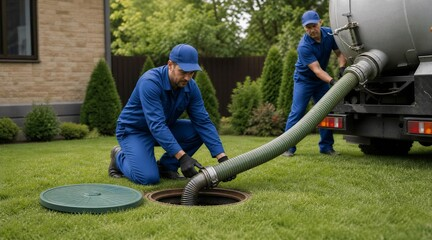
Septic tank cleaning is the process of removing accumulated sludge, scum, and wastewater from a septic tank so the system can continue operating efficiently. Inside every septic tank, solid waste naturally settles to the bottom while oils, grease, and lighter materials float to the surface. Between these two layers is liquid wastewater that eventually flows into the drain field for additional treatment. Over time, the layers of sludge and scum continue growing until they reduce the tank’s available capacity. Cleaning removes these accumulated materials before they begin interfering with normal wastewater treatment.
Many homeowners confuse septic tank cleaning with simple pumping, but the two terms are closely related. Pumping removes the contents of the tank, while a complete cleaning may also involve evaluating the condition of the tank and removing stubborn waste that remains attached to interior surfaces when necessary. The purpose of the service is not only to empty the tank but also to restore its ability to separate solids and liquids effectively. Regular cleaning helps maintain proper system performance while reducing unnecessary stress on the drain field.
Why Is Septic Tank Cleaning Necessary?
Every septic system continuously receives wastewater from daily household activities. Toilets, sinks, bathtubs, washing machines, and dishwashers all contribute waste that eventually enters the septic tank. Although natural bacteria help break down portions of the waste, they cannot eliminate everything completely. Solid materials continue accumulating at the bottom of the tank, gradually reducing the available space for wastewater. Without routine cleaning, this buildup eventually affects the system’s ability to function properly.
When sludge levels become excessive, solids may begin leaving the tank and entering the drain field. This can clog underground pipes and reduce the soil’s ability to absorb and filter wastewater effectively. Once the drain field becomes damaged, repairs are often significantly more expensive than regular maintenance. Routine septic tank cleaning helps prevent this situation by removing accumulated waste before it reaches critical levels. Consistent maintenance protects the entire septic system rather than focusing only on the tank itself.
What Happens During a Septic Tank Cleaning?
The cleaning process typically begins with locating and accessing the septic tank. After opening the tank, the contents are carefully evaluated to determine sludge levels, scum accumulation, and the overall condition of the system. This initial inspection helps identify any obvious signs of damage or unusual wear before cleaning begins. Professionals may also examine visible components such as inlet and outlet openings to ensure wastewater continues flowing properly. This assessment provides valuable information about the health of the septic system.
Once the inspection is complete, specialized equipment removes the accumulated wastewater, sludge, and floating waste from inside the tank. Powerful vacuum systems safely extract the contents without damaging the tank itself. During the cleaning process, professionals may also observe whether excessive solids, unusual odors, or structural concerns are present. After the tank has been emptied, they may perform additional visual checks to identify cracks, damaged baffles, or other maintenance issues that should be addressed. The cleaning process restores available capacity while providing an opportunity to evaluate the overall condition of the system.
How Often Should Septic Tank Cleaning Be Performed?
There is no universal schedule that applies to every household because cleaning frequency depends on several important factors. Many residential septic systems benefit from cleaning every three to five years, although some properties require more frequent service. Household size plays a major role because more occupants naturally generate more wastewater and solid waste. Homes with higher daily water usage also tend to fill septic tanks more quickly than those with lower consumption. Understanding these variables helps homeowners establish an appropriate maintenance schedule.
The size of the septic tank also influences how often cleaning should be performed. Larger tanks generally provide greater storage capacity, allowing more time between maintenance visits. Smaller tanks serving busy households may require attention more frequently to prevent excessive sludge accumulation. Daily habits such as heavy laundry use or frequent garbage disposal operation can also increase the amount of waste entering the system. Regular inspections help determine whether cleaning should occur sooner than expected based on actual system conditions rather than relying solely on a fixed calendar schedule.
What Are the Signs That Your Septic Tank Needs Cleaning?
Although routine maintenance is always recommended, septic systems often provide warning signs when cleaning has been delayed for too long. One of the earliest symptoms is slow drainage throughout the home. If sinks, showers, bathtubs, and toilets all begin draining more slowly than normal, accumulated waste inside the tank may be restricting normal wastewater flow. Gurgling sounds coming from plumbing fixtures may also indicate increasing pressure within the system. These early symptoms should never be ignored because they often become more severe over time.
Outdoor warning signs can also indicate that cleaning is overdue. Persistent sewage odors around the septic tank or drain field frequently suggest that wastewater is no longer being processed efficiently. Standing water, soggy ground, or unusually lush vegetation near the drain field may signal that wastewater is surfacing instead of filtering properly underground. In more serious situations, wastewater backups inside the home may occur when the system becomes overwhelmed. Scheduling septic tank cleaning promptly after noticing these warning signs helps reduce the risk of more extensive repairs.
How Can Homeowners Help Their Septic System Last Longer?
Good household habits play an important role in supporting septic system performance between cleaning appointments. Conserving water reduces the volume of wastewater entering the tank, allowing more time for solids to separate properly before liquid moves into the drain field. Repairing leaking toilets, faucets, and plumbing fixtures prevents unnecessary water from continuously entering the system. Spreading laundry loads throughout the week instead of completing many loads in one day also reduces sudden stress on the septic tank. These simple habits contribute to healthier long-term operation.
Responsible waste disposal is equally important. Grease, cooking oils, paper towels, wipes, feminine hygiene products, and other non biodegradable materials should never be flushed or washed into the septic system. These items increase sludge accumulation while creating unnecessary blockages that interfere with normal wastewater flow. Heavy vehicles should also be kept away from the septic tank and drain field because excessive weight can damage underground components. Combining proper household practices with regular septic cleaning helps maximize the lifespan of the entire system.
Why Are Professional Septic Services Important?
Although homeowners can adopt good maintenance habits, professional septic services remain essential because much of the system is hidden underground. Trained professionals understand how septic systems function and can identify developing problems that may not be visible during everyday use. During routine cleaning, they evaluate important components while looking for early signs of structural damage, excessive wear, or drainage concerns. Detecting these issues early often prevents much larger repairs in the future. Professional maintenance provides valuable insight into the overall health of the septic system.
Routine service also helps homeowners establish a consistent maintenance schedule based on their household’s actual needs. Rather than waiting until problems become noticeable, regular cleaning and inspections allow the system to continue operating efficiently year after year. Professionals can recommend appropriate maintenance intervals while answering questions about water usage, household habits, and long-term system care. Their guidance helps homeowners make informed decisions that support reliable septic performance. Investing in professional septic services ultimately protects both the property and the wastewater system it depends on.
Final Thoughts
Septic tank cleaning is one of the most important maintenance tasks homeowners can perform to protect their wastewater system. By removing accumulated sludge, scum, and waste before they interfere with normal operation, routine cleaning helps preserve the septic tank, protect the drain field, and reduce the likelihood of expensive repairs. Combined with regular inspections, responsible household habits, and proper water management, septic tank cleaning supports reliable performance for many years. Understanding how the cleaning process works allows homeowners to appreciate its value and recognize the importance of preventive maintenance. A well maintained septic system provides dependable service, protects the property, and delivers lasting peace of mind.