Metal has shaped architecture for centuries, but today it plays a bigger role than ever before. Walk through any modern residential, commercial, or industrial space, and metal features are impossible to ignore. Decorative railings, sleek staircases, structural beams, custom gates, wall panels, and artistic accents all demonstrate how architectural metal works combine strength with visual appeal. What was once viewed mainly as a structural material has evolved into a creative design element capable of transforming both interiors and exteriors.
Architectural metalwork at 83MetalCraft LLC combines craftsmanship, engineering, and artistic design to create functional, visually striking structures. Whether used for safety, decoration, support, or customization, metal fabrication offers endless possibilities for modern construction and design projects. From minimalist interiors to industrial-inspired spaces, metal work continues to influence how buildings look and function.
Understanding the purpose, styles, materials, and benefits of architectural metal works helps homeowners, designers, and property owners appreciate why this craft has become such an important part of contemporary architecture.
What Architectural Metal Works Include
Architectural metal works refer to custom fabricated metal features designed for both functional and decorative purposes in buildings and outdoor spaces. These elements may serve structural roles, enhance safety, or improve the visual appearance of a property.
Common examples include stair railings, balcony systems, gates, fences, wall panels, doors, window frames, canopies, decorative screens, and metal staircases. Architectural metal work may also involve custom furniture, lighting fixtures, pergolas, and artistic installations.
Unlike standard mass produced metal products, architectural metal works are often designed specifically for a particular property or project. Measurements, finishes, patterns, and styles are customized to fit the surrounding architecture and design goals.
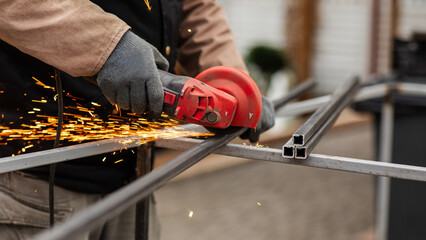
Many projects combine multiple metalworking techniques such as welding, cutting, bending, polishing, and engraving to create unique final products. Modern technology has expanded design possibilities even further by allowing more precise fabrication and intricate detailing.
Architectural metal works are valued not only for their appearance but also for their strength, durability, and adaptability across different building styles.
The Role of Metal in Modern Architecture
Modern architecture emphasizes clean lines, open spaces, durability, and functional beauty. Metal naturally fits these goals because it offers structural reliability while also supporting creative and minimalist design concepts.
Steel, aluminum, iron, brass, and stainless steel are commonly used throughout contemporary buildings because they can be shaped into sleek and sophisticated forms without sacrificing strength.
Architectural metal works also support large open layouts by providing structural support with thinner and more efficient framing systems. This allows architects and designers to create expansive spaces with fewer visual obstructions.
In addition to structural uses, metal contributes heavily to visual aesthetics. Matte black railings, brushed steel finishes, decorative screens, and geometric accents all help define modern architectural styles.
The versatility of metal allows it to blend with many other materials such as wood, stone, glass, and concrete. This combination creates balanced and visually dynamic spaces that feel both modern and inviting.
As design trends continue evolving, architectural metal works remain one of the most flexible and innovative elements in construction and interior design.
Popular Materials Used in Architectural Metal Works
Different metals offer unique characteristics that influence appearance, durability, maintenance, and overall project performance. Choosing the right material depends on both functional requirements and design preferences.
Steel is one of the most widely used materials because of its exceptional strength and versatility. It is commonly used for staircases, support structures, railings, and industrial style features. Steel can also be coated or painted to improve corrosion resistance and customize appearance.
Stainless steel is especially popular for modern interiors and outdoor applications because it resists rust and maintains a sleek polished appearance. It is frequently used for railings, kitchen features, decorative accents, and commercial spaces.
Aluminum is valued for being lightweight while still durable. It resists corrosion naturally and works well for gates, fencing, window frames, and decorative architectural details.
Iron is often associated with traditional and decorative metal work styles. Wrought iron designs commonly feature intricate patterns and artistic details used in gates, balconies, and ornamental railings.
Brass and bronze are sometimes selected for decorative applications because of their warm metallic tones and elegant appearance. These materials are commonly used in luxury interiors and artistic architectural features.
The right material choice depends on climate conditions, maintenance expectations, structural needs, and desired visual style.
Architectural Metal Railings and Staircases
Railings and staircases are among the most recognizable examples of architectural metal works. These features combine functionality and safety while often becoming central design elements within a building.
Metal stair railings are popular because they create clean lines and open visual flow throughout a space. Minimalist railing systems with thin metal frames and glass panels are especially common in modern homes and commercial properties.
Custom metal staircases can dramatically transform interiors by creating sculptural focal points. Floating stairs with metal support systems are often chosen for contemporary spaces because they appear sleek and visually lightweight.
Industrial inspired designs frequently incorporate exposed steel staircases combined with wood treads or concrete surfaces for added texture and contrast.
Outdoor railings and stair systems also benefit from metal durability because they must withstand weather exposure while maintaining structural integrity and safety.
Architectural metal stair and railing designs continue evolving as homeowners and designers seek creative combinations of strength, simplicity, and artistic expression.
Decorative Metal Features in Interior Design
Architectural metal works are no longer limited to structural applications. Decorative metal features have become major design elements in modern interiors because they add texture, depth, and sophistication.
Metal wall panels create visual interest while introducing geometric patterns or artistic details into living spaces. Decorative partitions and screens help divide open floor plans without blocking light completely.
Custom metal shelving and cabinetry provide sleek storage solutions that blend functionality with contemporary style. Matte black metal frames paired with wood surfaces remain especially popular in modern kitchens and living areas.
Lighting fixtures made from metal also contribute strongly to interior aesthetics. Pendant lights, chandeliers, and wall sconces often use metal finishes to create industrial, modern, or minimalist themes.
Metal accents are frequently combined with natural materials to create balance. Wood softens the cool appearance of metal, while stone and concrete add texture and visual contrast.
These decorative uses demonstrate how architectural metal works have expanded far beyond purely structural purposes.
Exterior Metal Works for Residential and Commercial Properties
Exterior architectural metal works provide both security and curb appeal for homes and commercial buildings. Gates, fences, pergolas, awnings, and decorative facades all contribute to the overall appearance and functionality of a property.
Metal gates and fences remain popular because they offer strength, durability, and customizable designs. Modern styles often emphasize simple horizontal lines and minimalist patterns, while traditional designs may feature decorative scrollwork and ornamental details.
Metal pergolas and canopies create shaded outdoor spaces while adding architectural structure to patios, walkways, and entrances. Aluminum and steel are commonly used because they withstand outdoor conditions effectively.
Decorative metal panels are also used on building exteriors to create texture, privacy, or artistic visual effects. These panels may include geometric cutouts, abstract patterns, or customized designs that reflect the architectural style of the property.
Commercial buildings often incorporate large metal facade systems that combine modern aesthetics with weather resistance and low maintenance requirements.
Exterior metal works not only improve appearance but also contribute to long term property durability and functionality.
The Importance of Custom Fabrication
One of the biggest advantages of architectural metal works is the ability to customize designs fully according to project needs. Custom fabrication allows designers and property owners to create unique features that match specific architectural styles and spatial requirements.
Measurements, shapes, finishes, and detailing can all be adjusted to suit the design vision of the project. This flexibility allows metal works to integrate seamlessly into both modern and traditional environments.
Advanced fabrication technology has expanded customization possibilities significantly. Precision cutting and digital design systems allow for intricate patterns and highly detailed metal components that were once difficult to achieve.
Custom fabrication also improves functionality because metal works can be engineered specifically for structural loads, safety standards, and environmental conditions.
Whether creating decorative wall panels or large staircase systems, custom fabrication ensures that architectural metal works align both visually and structurally with the overall project design.
Durability and Long Term Benefits of Metal Works
One reason architectural metal works remain so popular is their long term durability. Properly fabricated and finished metal structures can last for decades with relatively minimal maintenance.
Metal resists many common problems associated with wood and other materials, including warping, cracking, insect damage, and moisture deterioration. Protective coatings and finishes further improve resistance to corrosion and weather exposure.
Architectural metal works also provide excellent strength to weight ratios, allowing for durable yet visually lightweight designs. This combination supports both structural performance and modern aesthetic goals.
Maintenance requirements depend on the material and finish used. Stainless steel and aluminum generally require less upkeep, while decorative iron may need periodic refinishing to prevent rust.
Because of their durability and timeless appearance, architectural metal works often contribute positively to long term property value.
How Architectural Metal Works Enhance Modern Design
Architectural metal works continue growing in popularity because they combine creativity, strength, and versatility in ways few other materials can match. Metal can appear sleek and minimalist, bold and industrial, or decorative and traditional depending on how it is designed and finished.
The ability to customize metal into unique forms allows architects and designers to create visually memorable spaces while meeting structural and functional requirements.
Metal also supports sustainable design goals because many materials are recyclable and long lasting. This makes architectural metal works appealing for environmentally conscious construction projects.
As modern design trends continue emphasizing open spaces, durability, and clean aesthetics, architectural metal works remain an essential part of both residential and commercial architecture.
Final Thoughts
Architectural metal works play a major role in shaping modern buildings and interior spaces by combining strength, functionality, and artistic design. From railings and staircases to decorative wall panels and outdoor structures, metal fabrication offers endless possibilities for creating visually striking and durable architectural features.
Different materials such as steel, stainless steel, aluminum, and iron each provide unique benefits depending on the project’s style and structural needs. Custom fabrication allows homeowners, designers, and architects to create personalized solutions that blend seamlessly with modern and traditional environments alike.
Whether used for safety, support, decoration, or visual impact, architectural metal works continue transforming how spaces look and function. With their durability, versatility, and timeless appeal, these metal features remain one of the most valuable elements in contemporary design and construction.