Replacement windows are often framed as a cosmetic improvement, but in reality, they represent one of the most technically impactful upgrades a property owner can make. Windows are not passive elements; they function as critical interfaces between the interior and exterior environment. They regulate heat transfer, control airflow, influence lighting conditions, and contribute to structural insulation. When existing windows begin to fail—whether through air leakage, condensation, or material degradation—the entire building envelope is compromised. Replacing them is not merely an aesthetic decision; it is a strategic intervention that enhances performance across multiple dimensions.
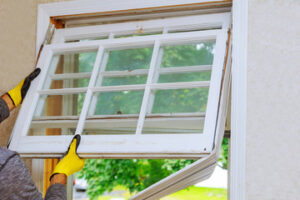
Modern Replacement Windows Lexington KY solutions have evolved significantly, incorporating advanced materials, engineered glazing systems, and precision installation techniques. These developments have redefined expectations, allowing homeowners to achieve measurable improvements in energy efficiency, indoor comfort, and long-term durability. Understanding how replacement windows function within the broader context of building performance is essential for making informed decisions.
The Building Envelope: Why Windows Matter More Than You Think
To appreciate the value of replacement windows, it is necessary to understand their role within the building envelope. The envelope consists of all the components that separate the interior environment from external conditions—walls, roofs, doors, and windows. Among these, windows are the most dynamic, as they allow light and visibility while also acting as potential points of thermal loss or gain.
Older or poorly installed windows often suffer from gaps, worn seals, and inefficient glazing. These issues lead to air infiltration, where conditioned indoor air escapes and unconditioned outdoor air enters. This exchange disrupts temperature stability, forcing heating and cooling systems to work harder to maintain comfort levels. Over time, this inefficiency translates into higher energy consumption and increased operational costs.
Replacement windows address these challenges by creating a tighter, more controlled barrier. Advanced sealing technologies and multi-pane glass systems reduce unwanted air movement, improving the overall integrity of the building envelope. The result is a more stable indoor environment that requires less energy to maintain.
Energy Efficiency as a Measurable Outcome
One of the most compelling reasons to invest in replacement windows is their impact on energy efficiency. Unlike superficial upgrades, window replacement delivers quantifiable benefits that can be observed in both comfort levels and utility expenses.
Modern windows are designed with features such as double or triple glazing, low-emissivity (Low-E) coatings, and inert gas fills between panes. These elements work together to minimize heat transfer, keeping interiors cooler in warm conditions and warmer in cooler conditions. By reducing reliance on mechanical systems, replacement windows contribute to a more sustainable and cost-effective living environment.
The performance of replacement windows can be evaluated through several key metrics:
- Thermal Insulation – The ability to resist heat transfer, maintaining consistent indoor temperatures.
- Air Tightness – The effectiveness of seals in preventing drafts and air leakage.
- Solar Heat Gain Control – The capacity to manage the amount of heat entering through sunlight.
- Visible Light Transmission – The balance between natural illumination and energy efficiency.
By optimizing these factors, replacement windows deliver a comprehensive improvement in energy performance.
Material Innovation and Frame Technology
The frame of a window plays a critical role in its overall performance. While glass often receives the most attention, the frame determines structural stability, insulation properties, and maintenance requirements. Advances in material science have introduced a range of options, each with distinct advantages.
Vinyl frames are widely recognized for their low maintenance and strong insulating properties. They resist moisture, do not require painting, and provide a cost-effective solution for many applications. Fiberglass frames offer enhanced strength and dimensional stability, making them suitable for environments with significant temperature fluctuations. Wood frames, while requiring more maintenance, provide a classic aesthetic and natural insulation benefits.
Aluminum frames, known for their durability and sleek appearance, are often used in modern designs. However, they typically require thermal breaks to improve insulation performance. Composite materials combine the strengths of multiple components, offering a balance of durability, efficiency, and design flexibility.
Selecting the right frame material involves evaluating several considerations:
- Environmental exposure and climate conditions
- Desired level of maintenance
- Structural requirements and window size
- Aesthetic preferences and architectural style
By aligning these factors with project goals, homeowners can choose a solution that delivers both performance and visual appeal.
Installation Precision: The Determining Factor
Even the most advanced window will underperform if it is not installed correctly. Installation is a highly technical process that directly influences the effectiveness of replacement windows. Improper alignment, inadequate sealing, or poor integration with the surrounding structure can negate the benefits of high-quality materials.
Professional installation ensures that windows are fitted with precision, creating a seamless connection with the building envelope. This includes proper flashing to direct water away from the structure, insulation around the frame to prevent air leakage, and secure anchoring to maintain stability. Each step must be executed with attention to detail, as small errors can lead to significant performance issues.
In many cases, installation challenges arise from existing structural conditions. Older properties may have irregular openings or hidden damage that must be addressed before new windows can be installed. Experienced professionals assess these conditions and implement corrective measures, ensuring that the final installation meets performance standards.
Acoustic Insulation and Indoor Comfort
While energy efficiency is often the primary focus, replacement windows also contribute to improved acoustic performance. Noise pollution from external sources can significantly impact indoor comfort, particularly in environments with high levels of activity. Modern window systems are designed to reduce sound transmission, creating a quieter and more controlled interior space.
Multi-pane glass and specialized interlayers help dampen vibrations, preventing noise from passing through the window. This is particularly beneficial for bedrooms, home offices, and other areas where concentration and relaxation are important. By enhancing acoustic insulation, replacement windows contribute to a more comfortable and functional living environment.
In addition to noise reduction, improved sealing eliminates drafts and cold spots, further enhancing comfort. The combination of thermal and acoustic benefits makes replacement windows a comprehensive upgrade that addresses multiple aspects of indoor quality.
Aesthetic Transformation and Natural Light Optimization
Beyond their technical advantages, replacement windows play a significant role in shaping the visual character of a property. They influence both exterior appearance and interior ambiance, making them a key element of architectural design.
Modern window designs offer a wide range of styles, from traditional configurations to contemporary minimalist profiles. Larger glass areas and slimmer frames allow for increased natural light, creating brighter and more inviting spaces. This not only enhances visual appeal but also reduces the need for artificial lighting during the day.
Customization options extend to finishes, colors, and hardware, enabling homeowners to align windows with their overall design vision. Whether the goal is to preserve a classic aesthetic or introduce a modern update, replacement windows provide the flexibility to achieve desired outcomes.
Long-Term Value and Return on Investment
Investing in replacement windows delivers both immediate and long-term benefits. From a financial perspective, improved energy efficiency leads to reduced utility costs, providing ongoing savings. Over time, these savings can offset a significant portion of the initial investment.
In addition to operational savings, replacement windows enhance property value. Prospective buyers often prioritize energy-efficient features and well-maintained structures, making updated windows a strong selling point. They signal that the property has been upgraded with attention to detail, reducing the likelihood of future maintenance concerns.
Durability is another important factor. High-quality replacement windows are designed to withstand environmental stresses, maintaining their performance over extended periods. This reduces the need for frequent repairs or replacements, contributing to overall cost efficiency.
Common Indicators That Replacement Is Necessary
Recognizing when to replace windows is essential for maintaining building performance. Several signs indicate that existing windows may no longer be functioning effectively:
- Persistent Drafts – Air leakage around the frame or sash.
- Condensation Between Panes – Failure of the insulating seal.
- Difficulty in Operation – Windows that are hard to open or close.
- Visible Damage – Cracks, warping, or deterioration of materials.
Addressing these issues promptly prevents further degradation and ensures that the building envelope remains intact.
Sustainability and Environmental Impact
Replacement windows also play a role in promoting sustainability. By improving energy efficiency, they reduce the overall demand for heating and cooling, lowering greenhouse gas emissions. Many modern window systems are manufactured using environmentally responsible processes and materials, further contributing to sustainability goals.
Additionally, durable windows reduce waste by minimizing the need for frequent replacements. This aligns with broader efforts to create more sustainable and resource-efficient living environments.
Conclusion: A Strategic Upgrade with Lasting Impact
Replacement windows represent a convergence of engineering, design, and environmental performance. They address fundamental aspects of building functionality, from energy efficiency and comfort to aesthetics and durability. While often perceived as a straightforward upgrade, their impact extends far beyond surface-level improvements.
By investing in high-quality materials and professional installation, property owners can achieve a transformation that enhances both daily living and long-term value. Replacement windows are not just an improvement—they are a strategic enhancement that strengthens the overall performance of a property, ensuring that it remains efficient, comfortable, and visually appealing for years to come.