A roof is one of the few parts of a home that works nonstop every single day without much attention. It stands against intense sunlight, heavy rain, strong winds, and changing temperatures year after year. Most homeowners rarely think about their roof until something suddenly goes wrong. A small water stain on the ceiling, missing shingles after a storm, or rising energy bills can quickly turn into signs of a much larger problem hiding above the home.
Cedar Park Roofing replacement is a major investment, but it is often necessary to maintain the safety, comfort, and value of a property. While regular repairs can solve smaller issues, there comes a point when patching the roof repeatedly no longer makes sense. An aging or damaged roof can lead to structural issues, water damage, mold growth, and expensive interior repairs if ignored for too long.
Understanding when to replace a roof, what causes roofing systems to fail, and how replacement improves the home can help homeowners make informed decisions before problems become severe.
Why Roofing Replacement Becomes Necessary
No roof lasts forever. Even the most durable roofing materials gradually weaken after years of exposure to weather and environmental conditions. Constant sunlight, moisture, wind, and temperature changes slowly break down roofing materials and reduce their ability to protect the home properly.
As roofs age, they become more vulnerable to leaks, cracks, and structural wear. Small problems that once seemed minor can eventually spread and create larger issues throughout the home. Water entering through damaged roofing materials may affect ceilings, insulation, walls, and even electrical systems.
Roof replacement also becomes necessary when repairs stop being cost effective. Some homeowners continue patching leaks or replacing small sections of roofing year after year. Eventually, the ongoing repair costs may exceed the value of installing a completely new roof.
Another important reason for replacement is energy efficiency. Older roofing systems often lose their insulating performance over time. A new roof can improve ventilation, regulate indoor temperatures more effectively, and help reduce heating and cooling expenses.
Replacing the roof is not simply about appearance. It is about protecting the structure of the home while improving long term comfort and reliability.
Common Warning Signs of Roof Failure
Many roofing problems develop gradually, which means homeowners may not notice them immediately. Recognizing early warning signs can help prevent more serious structural damage and expensive repairs later.
One of the most noticeable signs is water leakage. Brown stains on ceilings or walls often indicate moisture entering through damaged roofing materials or flashing. Even small leaks should never be ignored because water can spread quickly inside the structure.
Missing or damaged shingles are another major warning sign. Shingles that crack, curl, or loosen from the roof surface may no longer provide proper protection against rain and wind. Severe weather can also tear shingles away completely, exposing the roof underneath.
Sagging roof sections are especially concerning because they may indicate structural weakness or trapped moisture affecting the roof deck. Any visible sagging should be inspected immediately to avoid further deterioration.
Granules collecting in gutters are another sign of aging asphalt shingles. These granules protect shingles from sunlight and weather damage. As shingles wear down, they lose this protective layer and become less effective.
Mold, moss, and algae growth may also suggest excessive moisture retention on the roof surface. Over time, trapped moisture can weaken roofing materials and shorten the lifespan of the entire roofing system.
How Weather Impacts Roofing Lifespan
Weather conditions play a huge role in determining how long a roof lasts before replacement becomes necessary. Constant exposure to harsh environmental conditions gradually weakens even high quality roofing materials.
Strong sunlight can dry out roofing materials and cause cracking over time. Heat exposure may also weaken seals and increase expansion and contraction across the roof surface. This repeated movement slowly affects structural integrity.
Heavy rain creates another challenge because moisture can enter small cracks or damaged areas. Poor drainage may allow water to collect on the roof, increasing the risk of leaks and mold growth.
Wind damage is also a common issue. Strong winds can loosen shingles, damage flashing, and expose vulnerable sections of the roof. Flying debris during storms may cause additional impact damage.
Temperature fluctuations create stress on roofing systems as materials repeatedly expand and contract during changing weather conditions. Over time, this movement contributes to wear and aging.
Homes exposed to severe storms or frequent weather changes often require more regular inspections and may need replacement sooner than roofs located in milder climates.
Roof Repair Versus Full Roof Replacement
Many homeowners struggle with deciding whether their roof needs repairs or a complete replacement. The answer often depends on the roof’s age, the extent of the damage, and the frequency of past repairs.
Minor issues such as isolated leaks or a few damaged shingles can usually be repaired successfully. Timely maintenance often helps extend the lifespan of the roof while preventing further deterioration.
However, repeated repairs may only provide temporary relief if the roofing system is already reaching the end of its lifespan. When leaks continue returning or large sections of the roof show visible wear, replacement often becomes the more practical long term solution.
Older roofs may also hide damage underneath the visible surface. Moisture trapped beneath shingles can weaken the roof deck and insulation without obvious signs appearing immediately.
Professional roof inspections are valuable because they help homeowners understand the true condition of the roof. An inspection can identify structural concerns, hidden moisture damage, and areas where repairs may no longer be effective.
Replacing the roof at the right time often prevents larger problems and reduces the risk of emergency damage inside the home.
Choosing the Right Roofing Material
One of the most important decisions during roofing replacement is selecting the right material. Different roofing systems offer varying levels of durability, maintenance, energy efficiency, and visual appeal.
Asphalt shingles remain one of the most commonly used options because they are affordable and available in many styles and colors. They provide dependable performance for many residential homes and are relatively easy to repair.
Metal roofing has become increasingly popular because of its strength and long lifespan. Metal roofs resist fire, strong winds, and moisture while also reflecting sunlight to improve energy efficiency.
Tile roofing is valued for its durability and classic appearance. Clay and concrete tiles can last for decades when properly maintained, although they are heavier and may require additional structural support.
Wood roofing provides natural beauty and rustic charm. However, wood shingles and shakes generally require more maintenance to protect against moisture, insects, and weather exposure.
Slate roofing is often considered a premium option because of its elegant appearance and exceptional longevity. Although slate is one of the more expensive roofing materials, it can last for generations with proper care.
Choosing the right roofing material depends on budget, climate, maintenance expectations, and the desired appearance of the home.
What to Expect During the Roof Replacement Process
Roof replacement may seem overwhelming to homeowners who have never experienced the process before. Understanding the general steps involved can help reduce uncertainty and improve preparation.
The process usually begins with a professional inspection and estimate. Measurements are taken, materials are selected, and scheduling is arranged based on weather conditions and project size.
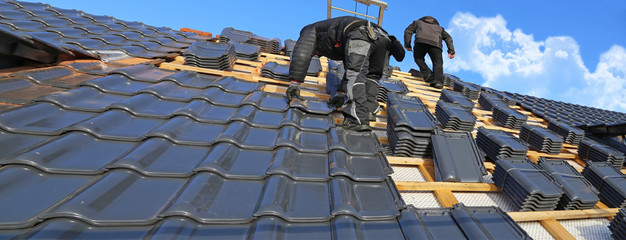
Before installation begins, old roofing materials are removed completely. This allows the roof deck underneath to be inspected for hidden damage such as rot or weakened wood.
Once repairs to the underlying structure are completed, protective underlayment and moisture barriers are installed. Flashing is placed around vents, chimneys, and roof edges to help prevent leaks.
The new roofing material is then installed carefully to ensure proper alignment and sealing. Proper ventilation is also important because it helps regulate attic temperatures and moisture levels.
After installation, cleanup is performed to remove debris, nails, and discarded roofing materials from the property.
The timeline for roof replacement varies depending on roof size, weather conditions, and the type of material being installed.
How Roofing Replacement Improves Energy Efficiency
Many homeowners are surprised to learn how much a roof affects indoor comfort and energy costs. Older roofs often lose their ability to regulate heat effectively, forcing heating and cooling systems to work harder throughout the year.
Modern roofing materials are designed to improve insulation and reduce heat transfer. Reflective roofing surfaces help minimize heat absorption during warmer seasons, while proper insulation helps retain warmth during colder months.
Ventilation improvements during roof replacement also contribute to better energy efficiency. Proper attic airflow prevents excessive heat buildup and reduces moisture accumulation that may damage insulation.
A well designed roofing system helps maintain more stable indoor temperatures, which can lower utility costs and improve overall comfort inside the home.
Energy efficient roofing materials may also increase long term property value because buyers often appreciate lower maintenance costs and improved efficiency.
The Importance of Regular Roof Maintenance
Although roofing replacement eventually becomes necessary for every home, regular maintenance can significantly extend the lifespan of the roof. Small issues often become serious problems because they are ignored for too long.
Routine inspections help identify damaged shingles, clogged gutters, loose flashing, and early signs of leaks before major damage occurs. Cleaning debris from the roof and gutters also improves drainage and reduces moisture buildup.
Tree branches hanging over the roof should be trimmed to reduce storm damage and prevent debris accumulation. Moss and algae growth should also be removed because trapped moisture weakens roofing materials over time.
Scheduling inspections after severe storms is another smart preventive step because weather damage is not always visible from the ground.
Consistent maintenance helps homeowners avoid unexpected roofing emergencies while protecting their investment for as long as possible.
Final Thoughts
Roofing replacement is one of the most important home improvement projects homeowners may face. A strong and reliable roof protects the home from weather damage, improves energy efficiency, and supports long term property value.
Recognizing warning signs such as leaks, missing shingles, sagging areas, and rising energy costs can help homeowners address roofing problems before they become severe. While minor issues may sometimes be repaired, aging roofs often require complete replacement to maintain proper protection and performance.
Choosing the right roofing material, improving ventilation, and maintaining the roof regularly all contribute to a longer lasting and more efficient roofing system. By taking proactive steps and addressing problems early, homeowners can protect their property while creating a safer and more comfortable living environment for years to come.